
The Hidden CSR Distribution Risks in Nigeria: Why Structure Matters
CSR distribution risks in Nigeria are often underestimated until something goes wrong. Food drives, empowerment programmes, and community distributions are launched with positive intentions — yet without structured planning, these initiatives can quickly spiral into disorder.
When distribution is uncontrolled, what begins as goodwill can become reputational damage.
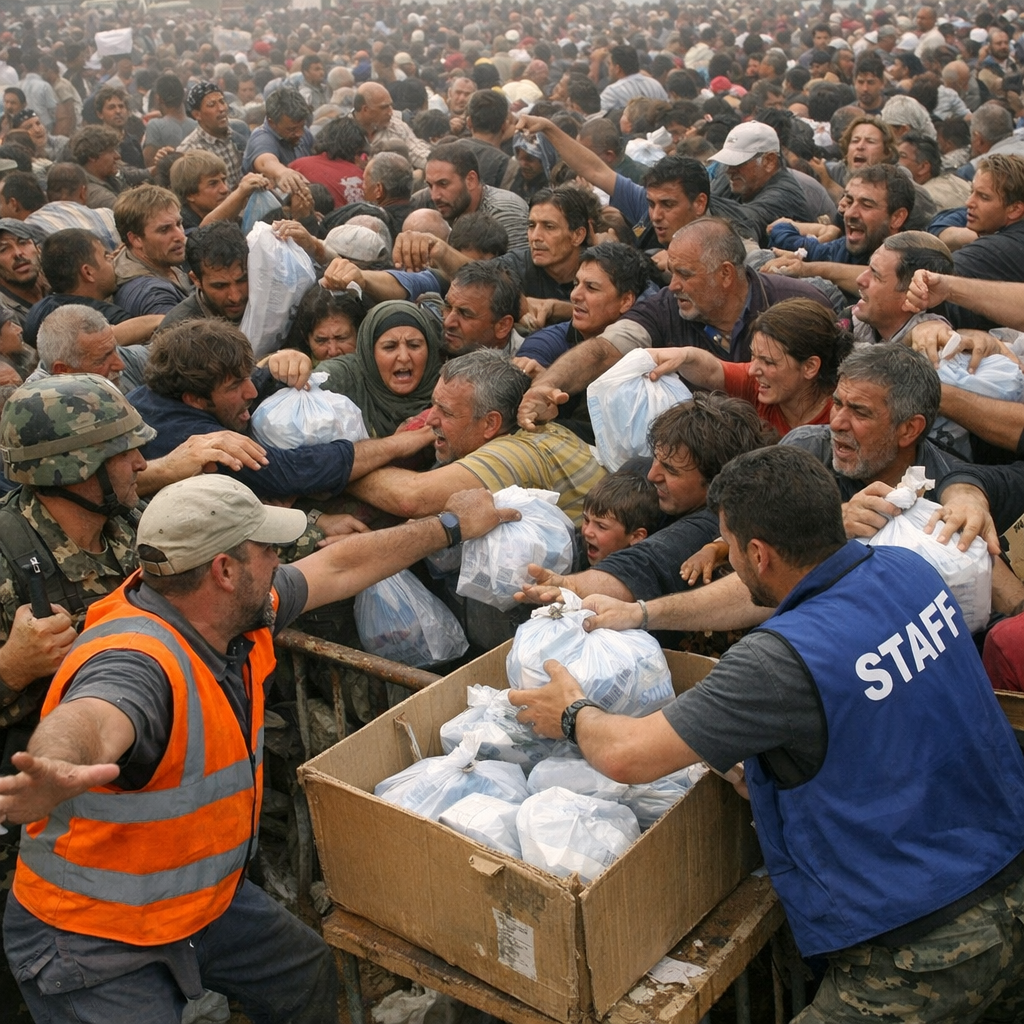
When Good Intentions Turn Into Operational Risk
Across Nigeria, CSR events frequently face challenges such as:
- Overcrowding and unmanaged beneficiary turnout
- Poor verification processes
- Resource shortages due to weak planning
- Inadequate safety coordination
- Lack of beneficiary tracking
Without clear operational frameworks, CSR initiatives risk becoming chaotic rather than impactful.
The Three Critical CSR Distribution Risks in Nigeria
1. Safety Risk
Unmanaged distributions can lead to overcrowding, stampedes, and physical harm — especially in high-demand communities. Poor crowd control undermines both safety and organisational credibility.
2. Accountability Risk
Without structured beneficiary registration and documentation, organisations cannot verify that resources reached the intended recipients. This weakens impact reporting and stakeholder trust.
3. Reputational Risk
In today’s digital environment, viral images of chaotic CSR events spread quickly. Reputational damage can outweigh the intended positive impact of the initiative.
Why Structure Is the Only Sustainable Solution
Effective CSR distribution requires disciplined planning similar to formal operations management.
A structured approach should include:
- Pre-registration of beneficiaries
- Clear eligibility criteria
- Controlled distribution systems
- On-site supervision and security planning
- Real-time data capture
- Post-event documentation and evaluation
Structure replaces chaos with accountability.
From Reactive Charity to Responsible CSR
CSR initiatives must evolve beyond reactive distributions. Responsible CSR in Nigeria requires:
- Transparent reporting
- Measurable outcomes
- Verified beneficiary records
- Risk mitigation planning
Organisations that proactively manage CSR distribution risks build stronger stakeholder confidence and long-term credibility.
Building Safer and More Accountable CSR Systems
At GHSEI, we advocate for structured CSR implementation backed by proper documentation, verification systems, and measurable impact tracking.
Managing CSR distribution risks in Nigeria is not about reducing generosity — it is about improving responsibility.
Explore our CSR impact initiatives to learn how structured systems strengthen sustainable community development.
👉 View Our CSR Impact Projects
Frequently Asked Questions
What are the main CSR distribution risks in Nigeria?
Safety risks, accountability gaps, and reputational damage are the most common challenges during poorly planned CSR distributions.
How can organisations reduce CSR risks?
By implementing structured planning, beneficiary verification, crowd control measures, and post-distribution documentation.